When leadership changes make the news, most of us naturally focus on the people at the top.
Who is leaving?
Who’s taking over?
What strategy will change?
Who wins? Who loses?
Recently, leadership changes surrounding CBS and the Paramount/Skydance merger generated exactly those kinds of conversations. But while the headlines focused on executives and corporate decisions, I found myself thinking about a very different group of people: The employees.
Because whether you’re talking about a television network, a pharmaceutical company, a financial institution, or a family-owned business, the people experiencing the change are asking remarkably similar questions.

What’s happening?
What does this mean for me?
Can I trust the people leading us through it?
Those questions rarely make the evening news.
Yet they determine whether an organization emerges stronger or spends years trying to rebuild what was quietly lost.
After more than three decades leading communications through mergers, restructurings, acquisitions, reorganizations, and leadership transitions, I’ve learned something that often surprises leaders.
People resist uncertainty, not the change itself. People can adapt to new strategies. They can learn new systems. They can embrace new leaders. What they struggle with is silence, mixed messages, and feeling as though decisions are happening around them instead of with them.
I’ve lived this myself. Early in my career, I remember learning about a significant organizational change only moments before I was expected to help communicate it. I had the title. I had the responsibility.
What I didn’t have was the information, or the confidence, that I could answer the questions people were about to ask.
If I’m honest, there were moments when I had already “quit in my head.”
I stayed. I did the work. But it was painful, and my engagement had taken a hit.
That’s a reality organizations rarely measure.
Leaders often focus on the employees who resign because departures are visible. But there’s another group that deserves just as much attention: The talented people who remain while emotionally disconnecting from the organization.

They continue showing up. They continue doing the work. But the energy, creativity, initiative, and commitment that once fueled their best contributions begin to fade. That quiet disengagement is often far more expensive than turnover.
Over the years, I developed what I now call my 4Cs Change Framework™ because I saw the same communication gaps appear again and again.
- Clarity helps people understand what is changing and what isn’t.
- Connection reminds people that they are more than names on an organizational chart. They need opportunities to ask questions, be heard, and feel included.
- Caring acknowledges that every organizational change involves some form of loss. Even positive changes require people to let go of familiar routines, relationships, or identities.
- And Courage is what enables leaders to have honest conversations—even when they don’t yet have every answer.
Miss one of these, and trust begins to erode.
Get all four working together, and people become far more willing to move forward together.
One of the biggest misconceptions I encounter is that leaders must have every answer before they communicate. They don’t.
In fact, waiting for perfect information often creates more anxiety than sharing what is known today while acknowledging what is still being decided.

People expect honesty, not perfection. They want leaders who are visible, accessible, and authentic.
Leaders who recognize that communication isn’t simply about delivering information, it’s about building trust.
That’s why stories like the one unfolding at CBS matter, regardless of the industry involved.
Every organization will experience change.
Leadership transitions will happen. Mergers will occur. Strategies will evolve.
The organizations that thrive won’t necessarily be the ones with the smartest business plans. They’ll be the ones whose leaders understand that trust isn’t built after the change.
It’s built through the way they communicate during it.
The headlines may change tomorrow.
The leadership lesson won’t.

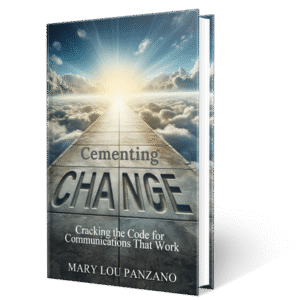
 Ready to supercharge your results and rewrite your story? Dive into this dynamic chapter, where uncertainty at the airport becomes a powerful metaphor for navigating change in life and business.
 In today’s relentless world of shifting priorities and constant disruption, most organizations stumble when faced with change. Failed transformation efforts cost millions, erode trust, and leave teams overwhelmed, burnt out, and searching for answers. Why do so many change initiatives unravel, even as the stakes climb ever higher? What hidden forces sabotage progress in the shadows of the workplace?